A project of The Hack Foundation, a 501(c)(3) nonprofit · EIN 81-2908499
California · Mission 01 — Wildfire
Responsibility / Safety
Flying over real places is a responsibility.
Our systems work above land where people live and near crews who are already doing dangerous work. That shapes how we build and how we fly.
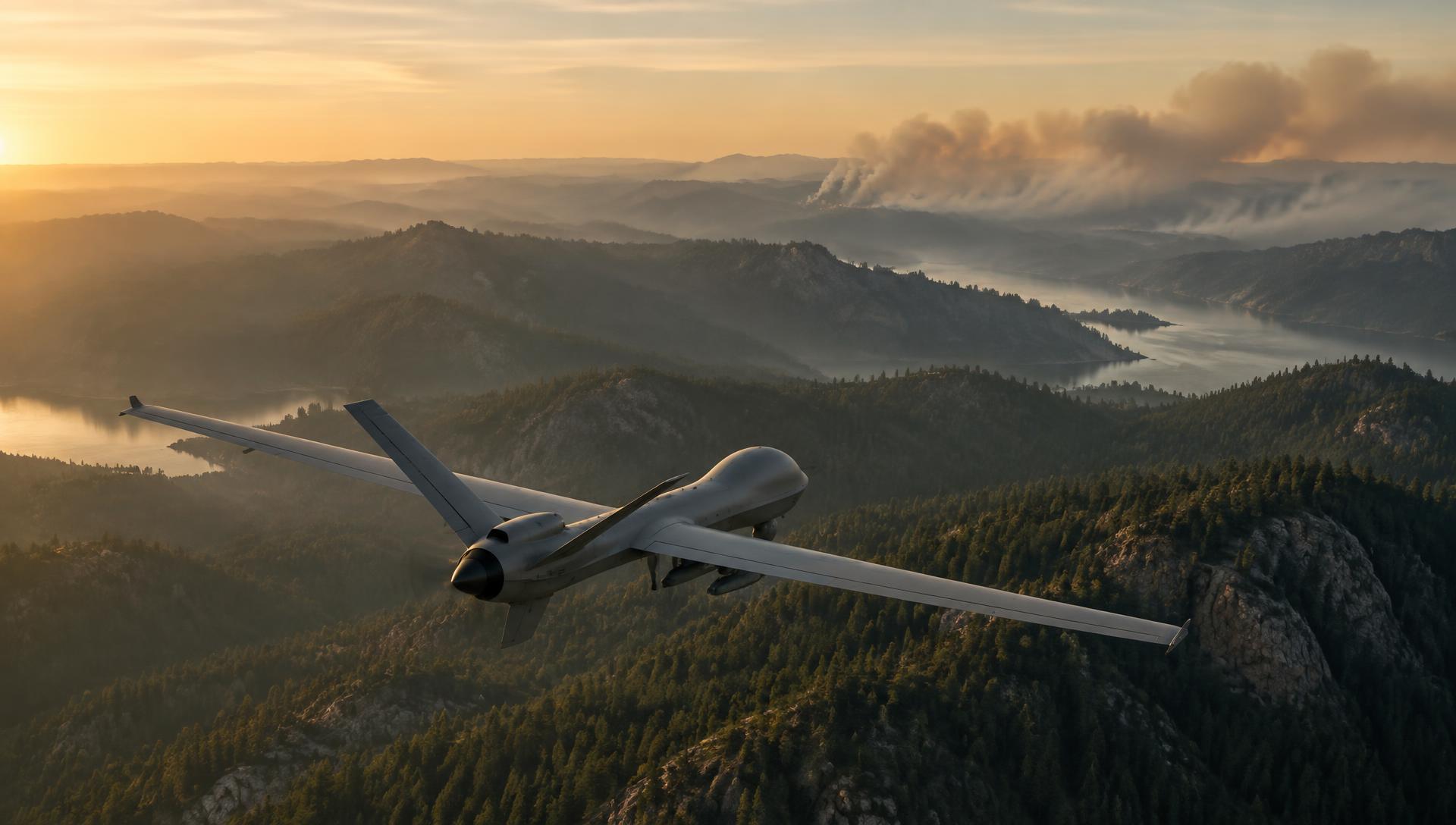
We would rather cancel a flight than guess.
How we operate
Six rules we do not bend.
01
Fly where we are allowed
We fly under the rules that apply to the airspace we are in, with the permissions the flight requires. If we do not have clearance, the aircraft stays on the ground.
02
A person decides
The system can raise a signal and the aircraft can hold a route, but a trained person reviews what it found and approves what happens next. No response is launched by a machine alone.
03
Known boundaries
Every flight is given limits before it starts: where it may go, how high, how far, and how long. If the aircraft reaches a limit, it returns.
04
Fail toward safe
If a link drops or a system misbehaves, the aircraft comes home or lands in a place chosen in advance. Losing contact is planned for, not improvised.
05
Test before trust
Parts are bench tested, then flown in controlled conditions, then flown over the terrain they are meant for. Nothing skips a step because it worked on paper.
06
Write down what failed
Every failure gets recorded and reviewed. The point of testing is to find problems while nobody is depending on the result.
Working near crews
We stay out of the way of the people on the ground.
Firefighting aircraft have priority over everything we do. Our work is only useful if it never complicates theirs, so we coordinate before we fly and we clear the area when asked.
Our aim is to hand people better information earlier. If a flight cannot do that safely, it has no reason to happen.